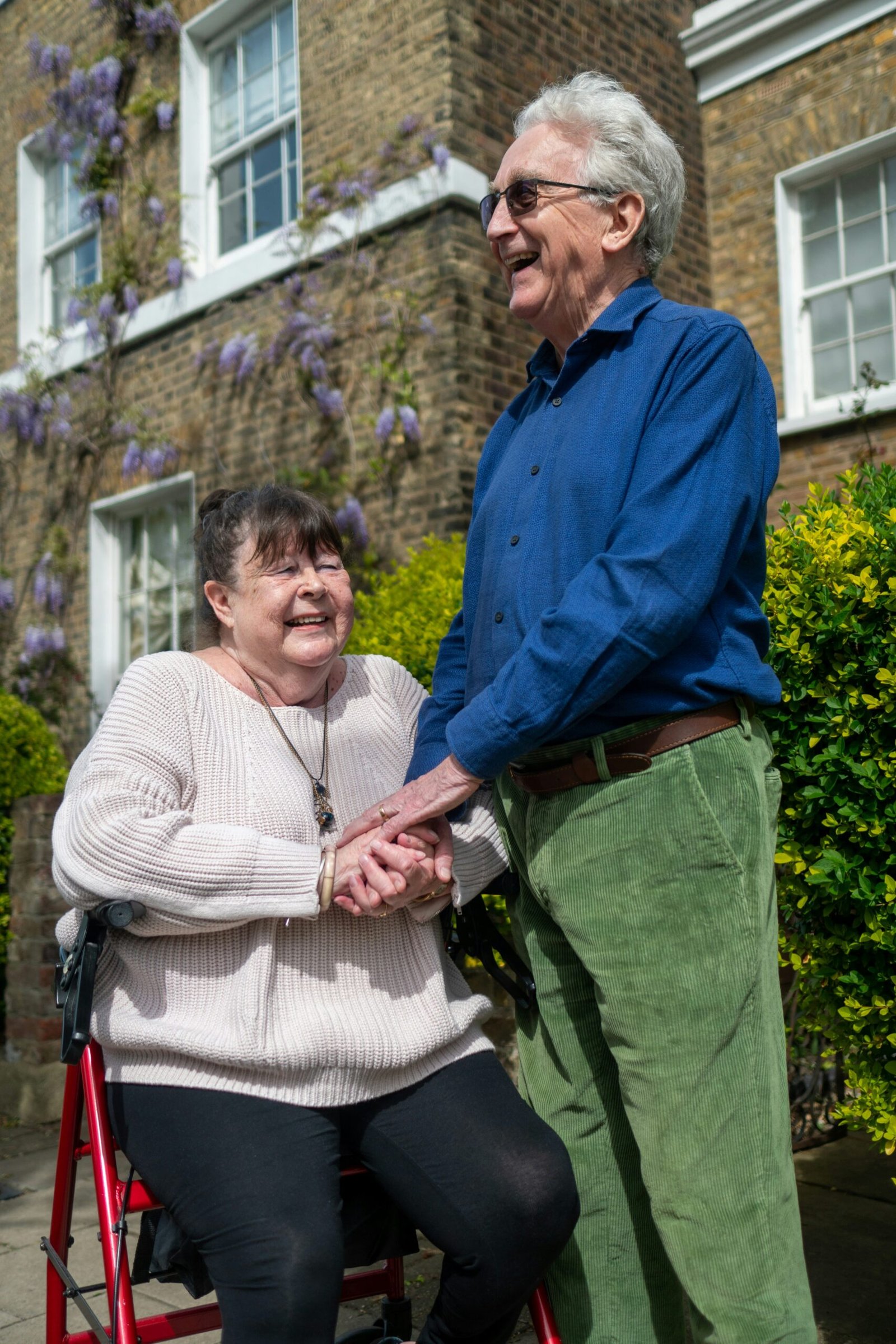
A familiar home can provide seniors with comfort and independence, but everyday surroundings may become more difficult to navigate as mobility, balance, or vision changes. A few practical improvements can reduce risks and make daily life easier.
Begin by keeping walkways clear. Remove loose rugs, electrical cords, and unnecessary furniture from frequently used areas. Make sure floors are dry and clutter-free, especially in hallways, kitchens, and bathrooms.
Good lighting is equally important. Add brighter bulbs where appropriate, place night-lights between the bedroom and bathroom, and ensure light switches are easy to reach. Stairways should be well-lit and fitted with secure handrails.
Bathrooms often require additional attention. Non-slip mats, grab bars, a raised toilet seat, and a shower chair can provide valuable support. Frequently used items should be stored within easy reach to reduce bending and climbing.
In the kitchen, move essential dishes, food, and appliances to accessible shelves. Check smoke and carbon-monoxide alarms regularly, and clearly label medications and household products.
Professional home caregivers can reinforce these safety measures by assisting with mobility, monitoring changes in daily routines, and helping maintain an organized environment.
Home safety is not about removing independence. It is about creating the right support so seniors can continue moving through their homes with greater confidence, comfort, and peace of mind.